As South Africa approaches another June 16 amid rising tension over undocumented foreign nationals, the country faces a test of political seriousness. Youth Day should not become a licence for nostalgia, denial or scapegoating. It should compel the state to confront a real migration challenge firmly, lawfully and without cruelty.
Every year South Africa marks June 16 with solemn ceremony. Wreaths are laid. Speeches are delivered. The language of sacrifice returns. Then the day passes and the country settles back into habit. That is the problem. June 16 was never meant to become a ritual of national comfort. It was a revolt against a system that had already fixed the limits of black life, black learning and black possibility.
It is worth saying plainly. The uprising was not only about Afrikaans in classrooms. That was the trigger, not the full offence. The deeper issue was power: who defines belonging, who shapes opportunity and who decides whose humanity counts. The students of 1976 rejected an education designed for subordination. They refused a politics of humiliation. They rose against a state that administered exclusion and demanded obedience from those it diminished.
That is why the current debate over undocumented foreign nationals matters. South Africans are not wrong to be frustrated by porous borders, administrative failure and pressure on jobs, clinics, schools and local services. Those concerns are real, and the state has recognised them through tougher enforcement and faster deportation processes. But a real problem does not justify a reckless argument. The moment public anger is organised around the outsider as the explanation for every social failure, politics stops being about order and becomes a search for scapegoats.
This is where June 16 must enter the debate. The students of Soweto did not rise to authorise a politics of displaced rage. They did not challenge one system of humiliation so that democratic South Africa could normalise another. If Youth Day still means anything, it means we should know the difference between lawful state enforcement and social cruelty, between border control and mob intimidation, between public frustration and xenophobic theatre.
Honesty is essential. Undocumented migration is not an invented issue. It raises legitimate questions about sovereignty, enforcement credibility, labour regulation and state capacity. But it is equally dishonest to suggest that South Africa’s unemployment crisis, collapsing municipalities, broken schools and failing hospitals can be explained mainly by the presence of foreign nationals.
Youth unemployment remains catastrophic because the economy does not generate enough work, the state does not govern with sufficient competence, and social infrastructure has been allowed to decay. Ignore those structural failures and migrants become a convenient shorthand for older domestic betrayals.
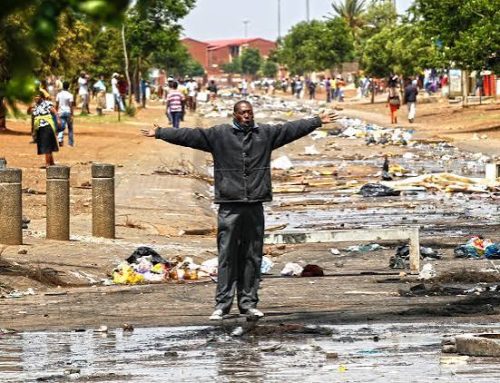
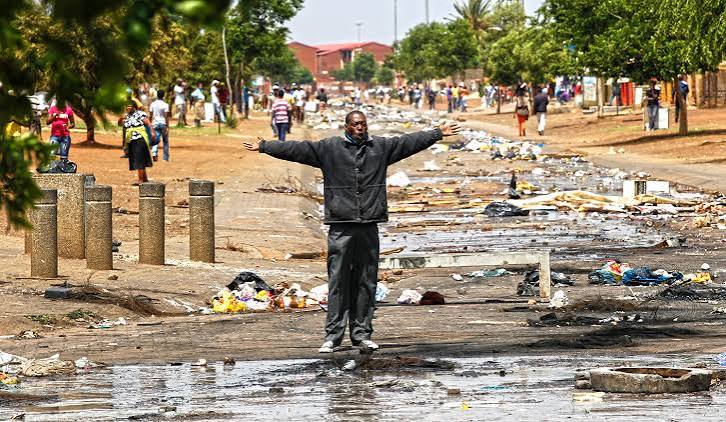
The country is entering a combustible period. Anti-immigration groups have issued deadlines for government action, while parts of the state are preparing for protests, unrest and further displacement of foreign nationals. This is not an abstract policy argument. It is a live national tension unfolding in communities already burdened by deep social fatigue.
That is the unfinished argument of June 16 in our time. The democratic state has mastered the language of remembrance while failing the material test of fidelity. It invokes youth heroism while presiding over mass joblessness, unequal schooling, urban exclusion and the quiet humiliation of young people who inherit citizenship without opportunity. It also faces a migration crisis worsened by bureaucratic drift and weak enforcement. The answer cannot be hysteria. But nor can it be denial. The law must be enforced lawfully, competently and humanely.
What South Africa cannot afford is the moral collapse in which every undocumented person is treated as a criminal category and every act of aggression is repackaged as patriotism. That path weakens the republic from within. It licenses vigilantism, corrodes constitutionalism and teaches the young that politics is the management of anger rather than the construction of justice. June 16 should warn us against exactly that.
The real choice before the country is not between border control and human rights, or between law enforcement and social compassion. A serious state must be capable of both. It must secure borders, process documentation properly, prosecute criminality, sanction employers who exploit undocumented labour and prevent the collapse of public order. But it must also reject collective blame, protect the vulnerable and resist ethnic incitement dressed up as civic virtue. Anything less is not sovereignty. It is panic posing as policy.
This June 16, South Africa should resist the temptation of sentimental remembrance. Youth Day should not console us before it unsettles us. It should force a harder question: what kind of republic are we asking the young to inherit? One that governs with competence, fairness and constitutional discipline, or one that commemorates past injustice while improvising new targets for public anger? The students of 1976 left us more than memory. They left us a standard. It requires us to confront undocumented migration without lies, without panic and without cruelty.




Leave A Comment