The election season should not convert political leaders into evangelists of party manifestos, and expect society to rely on party prayers; it might be blasphemous
Human beings have always pursued power: the power to create, to change and to shape the conditions in which they live. That pursuit also lies behind many of our conflicts. Politics is the imperfect science through which competing interests are organised, contested and reconciled. Yet every political contest produces winners, and the interests of those who prevail too often become the measure against which all others are judged.
Democracy is supposed to discipline that struggle through the will of the people. In Abraham Lincoln’s familiar formulation, government should be “of the people, by the people, for the people”. Free, fair and regular elections are meant to allow citizens to choose among competing political coalitions and to entrust public power to those most likely to advance their interests and improve their lives.
That is why the struggle to control public power is so fierce. The state possesses the authority to allocate resources, make rules and shape economic and social outcomes. Political parties, lobby groups, corporate interests, state captors and foreign intelligence agencies all understand this. Wherever public power is exercised, organised interests seek to ensure that it does not operate against them.
The result is a politics in which the interests of the powerful are repackaged as the interests of society. The everyday needs of citizens become attached to larger ideological and commercial projects. The rights to water, electricity, public transport and, increasingly, data may be presented alongside claims that these services should be delivered through particular market arrangements. Voters are mobilised around immediate needs while the deeper costs, trade-offs and beneficiaries of the policy package remain obscured.
From a developmental paradigm, however, citizens’ needs cannot be reduced to a bundle of services or consumer choices. They include the material foundations of a dignified life—decent work, food, shelter, healthcare, education, mobility, reliable infrastructure and access to information—as well as the capabilities and opportunities required to participate fully in society. Development also depends on freedom from fear: people must be secure in their homes, streets and workplaces, protected from crime and violence, while the Republic, its constitutional order and territorial integrity are lawfully defended against hostile forces and enemies of the state.
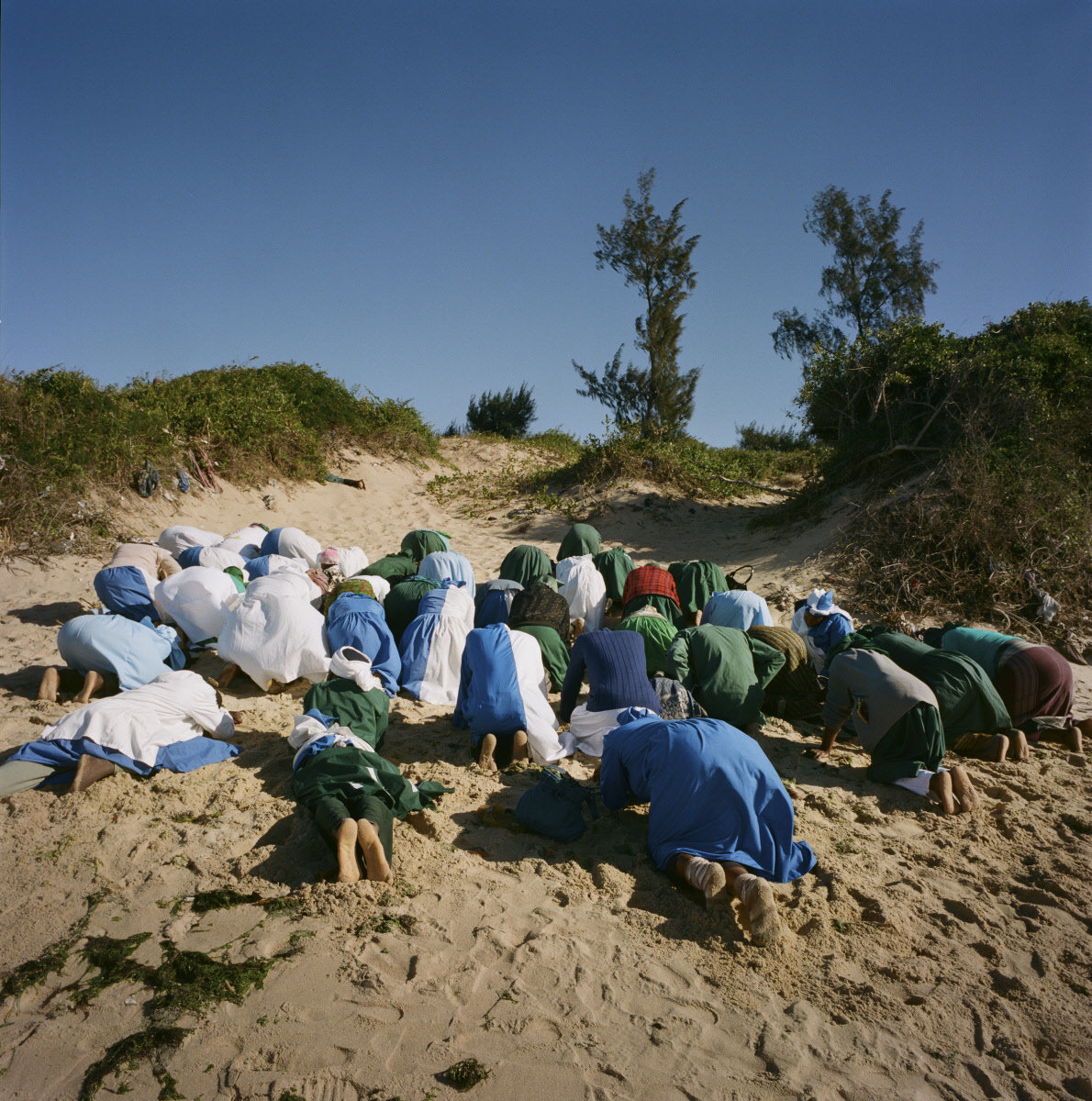
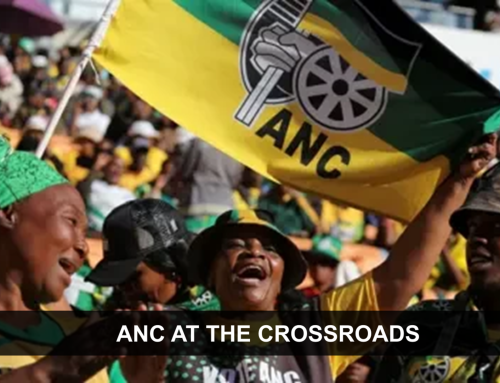
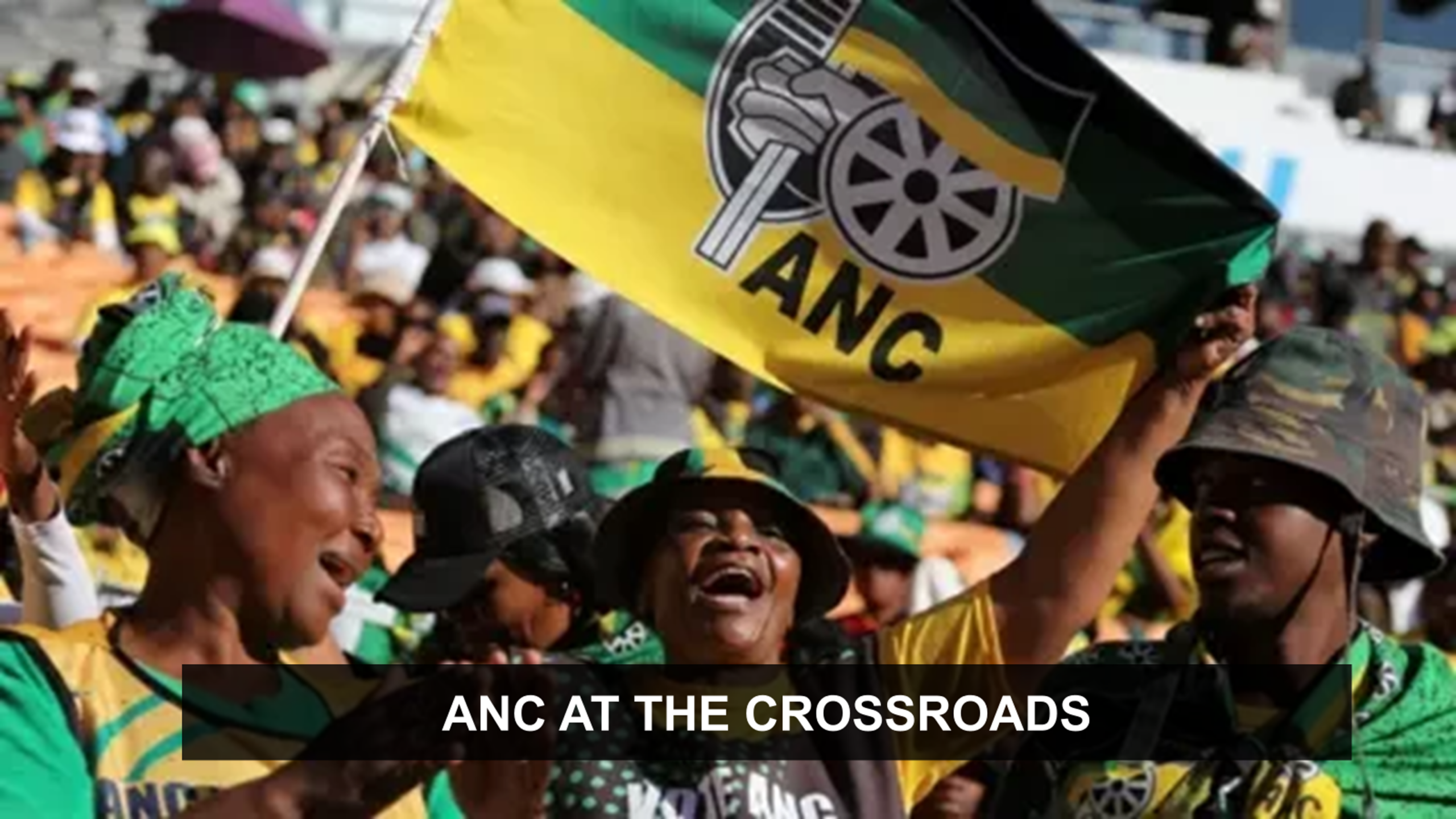
It is within the abstraction of these packaged interests, what political parties call manifestos, that citizens can lose sight of what they are actually authorising. Their power to hold accountable those to whom they lend public authority begins to mutate into something almost spiritual. The vote becomes a prayer: an appeal to democracy to understand their needs and somehow deliver. Faith in the system sustains participation even when lived experience offers ample reason for doubt.
Prayer is, in its simplest sense, a solemn request or an earnest hope. The person who prays places the power to respond in the hands of another and trusts that the plea has been heard. In poor societies, organs and agencies of the state can acquire the aura of a deity. Citizens ask, wait and hope; office-bearers dispense, delay or deny. Accountability is displaced by faith.
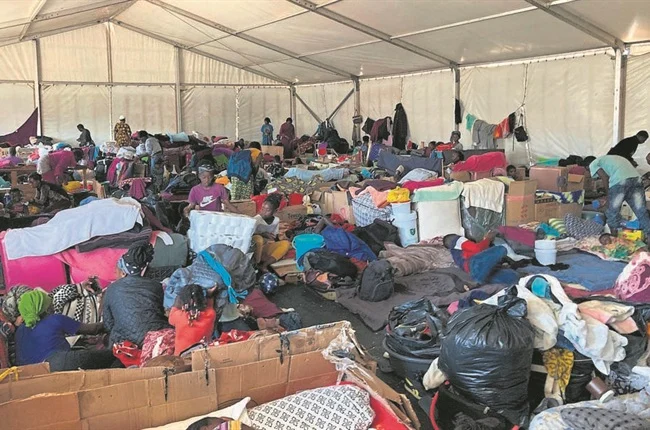
This danger is deepened when social welfare is practised as political patronage rather than as a constitutional instrument of dignity and social protection. Grants are indispensable to millions and should never be trivialised. But when politicians present public benefits as gifts from a party, or supplement them with campaign T-shirts and food parcels, they cultivate dependence on political benefactors instead of citizenship grounded in rights. What belongs to the people is made to appear as a favour from the powerful.
And so, the voter’s prayer might read: Our Party, which art at headquarters, hallowed be thy manifesto. Thy governing-party hegemony come; thy will be done in our country as it is in your imagination. Give us this term our promised bread. Forgive us our political ignorance, as we forgive those who ignored us. Lead us not into the temptation of thinking differently about voting and our freedom, but deliver us from further disappointment by you; for thine is the kingdom, the power and the electoral glory.
Democracy cannot survive on prayer alone. A vote is not an act of surrender or procurement of political deliverance. It is a temporary loan of public power. Citizens must demand clear choices, measurable commitments and consequences for failure between elections, not merely at the ballot box. The state should serve the people, not preside over them from a political altar. Until voters reclaim that distinction, elections will remain rituals of hope and the democratic state will continue to behave like a deity. Democracy begins when citizens stop praying to power and start calling it to account.




Dear Comrades and Colleagues,
I wish to share a reflection on Dr Lucky Mathebula’s article, When the Vote Becomes a Prayer, the Democratic State Becomes a Deity, published on 24 October 2026.
The article raises an important question about the relationship between political power, democratic participation and accountability.
Its central argument is that democracy becomes weakened when citizens are encouraged to regard political leaders as sources of deliverance rather than institutions entrusted with serving the people.
The author reminds us that voting is an essential democratic right, but it cannot be the only mechanism through which citizens exercise their political influence. Accountability must continue between elections through community participation, public oversight and the monitoring of political commitments.
Of particular importance is the distinction between public social protection and political patronage. Social grants and public services must be understood within the constitutional framework of rights and responsibilities, not presented as personal gifts from political leaders.
From a developmental and political-education perspective, the article challenges us to strengthen the relationship between political programmes and the actual needs of communities.
Political organisations must listen to citizens, communicate credible commitments, promote ethical leadership and remain accountable for their performance.
The article also reinforces the importance of distinguishing the governing party from the state. Public institutions belong to the constitutional order and must serve the public interest, including those who may hold different political views.
The central lesson is that electoral mobilisation must be accompanied by political education, community participation and continuous accountability.
A vote is not an act of surrender. It is a temporary entrustment of public power.
Democracy does not require citizens to pray to political power. It requires political power to answer to citizens.
Regards,
Roy B. Msiza
Political Education and Cader Development
Greater Tshwane Region