
Local government is the last line of democracy.
As South Africa prepares for 2026 local government elections, many speculate how these will define the consequential 2029 National Elections. Service delivery dysfunctions, public representatives behaviour, and overall performance of the economy has stirred anger and indifference at almost all municipal wards. There is overwhelming evidence that few, if any, political party will garner absolute power to form a municipal government in any of the metropolitan municipalities and economic nodal towns, safe for Cape Town.
The local government sphere, municipalities in particular, are under pressure to convince voters that there can be a turnaround. Society has little hope in several of governing coalitions, and parties, that they can make a difference which they could not muster in the ending term. Municipal bureaucracies have for a while been unable to articulate the elephant in the room responsible for the dysfunctional government; a shrunk bureaucratic discretion.
The Auditor-General’s reports have for a while pointed to a fragile local government system, and in certain instances failed local states. The absence of municipal tax bases in several municipalities has rendered them to be structurally illiquid as going concerns and surviving on a shrinking intergovernmental grants system.
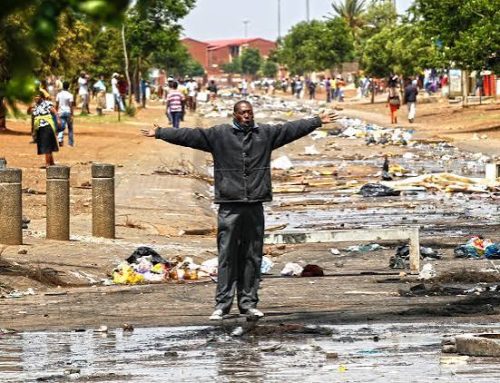
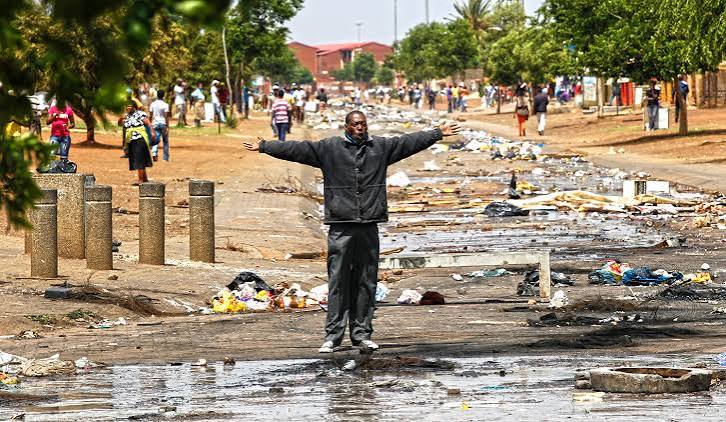
Municipalities have been under intense criticism from opposition leaders, intellectuals, organs of civil society, organised business as the voice of investors, and ratepayers as well as tens of thousands of public protesters. At the heart of the rift is the collapsing public infrastructure, taps that do not have water, electricity switches that do not light the room, sewer sludge that flows on the streets, and potholes that decorate public roads.
The growing ESKOM and several waterboards debt, an indicator of systemic ratepayer debt, points to a sector in a crisis-fragile-failed state continuum whose irreversibility procures for leadership change.
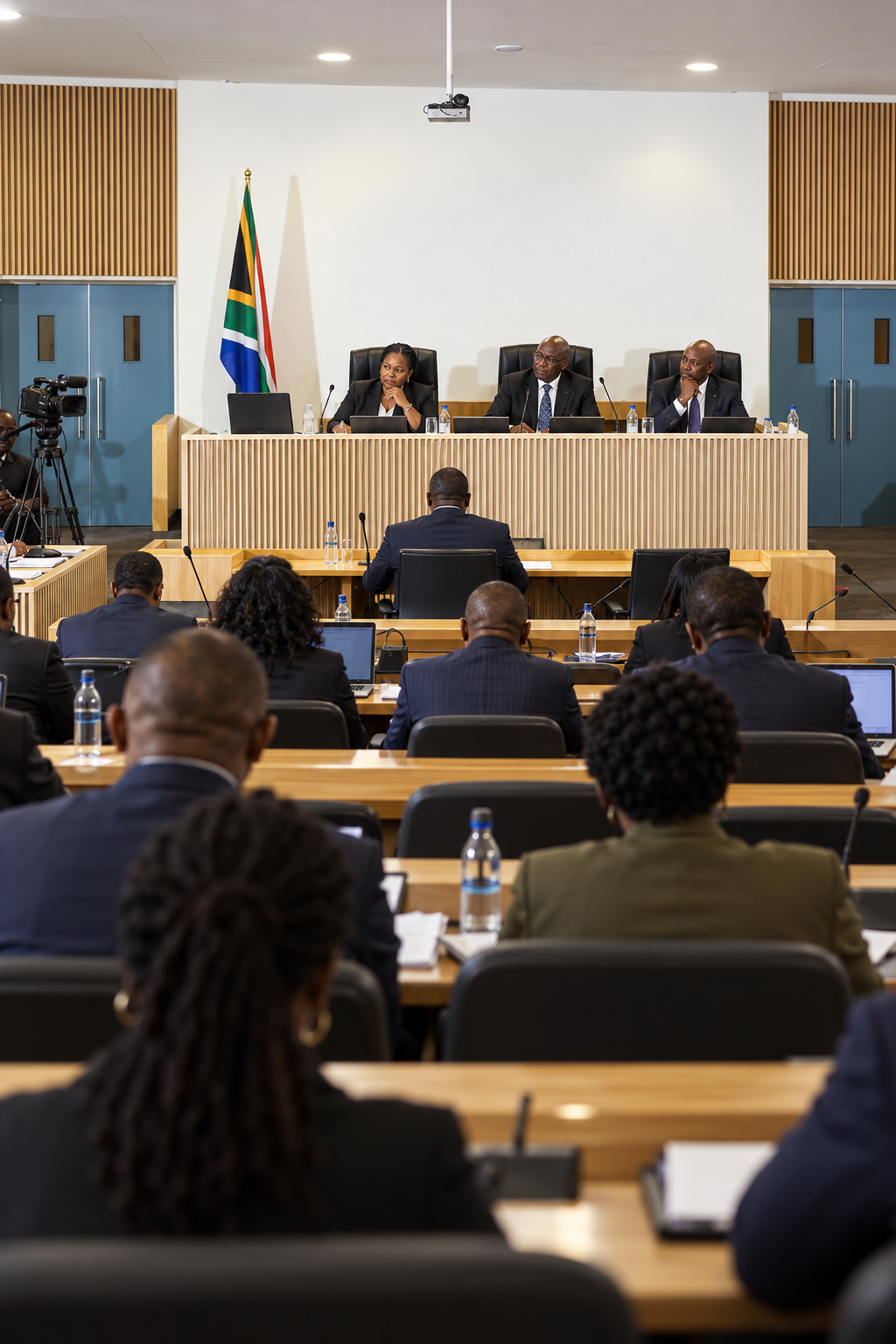
Local democracy, the core function of local government, is grappling with a new and impeccable enemy; leaders who pretend to accept public representative obligations while flouting its norms and eroding its foundations. Almost always after winning elections, leaders subvert the checks and balances that are the bedrock of the obligations as the last line of public accountability in the RSA democratic and constitutional order.
Political parties and individuals who must provide leadership in the wake of these dysfunctions, have mastered the art of secretly corrupting the rule of law and fudging the separation of powers in local government to create space for breeds of a prerogative and arbitrary local state.
With the erosion of public accountability in local government emerged a mafia political system that has morphed into a predatory establishment feeding on dysfunctional state indicators such as efficient water supply trucks.
The political economy of dysfunctionality has settled in at most municipalities. The local state is managed to sustain those feeding on its failures. Regional leaders are either directly involved in businesses that thrive of public infrastructure dysfunction or are in their payroll. The scary part is that the crisis has in certain jurisdictions become part of in-party contests funding.
How political parties are going to respond to the political emergency RSA finds itself in local government will be the most decisive indicator of how genuine they are about turning the country around. Unless there is a new reckoning by political leaders and organisations in RSA to reverse the de-democratisation tide, the democratic order is at risk. Its survival is endangered by a perfect storm of local government dysfunctions as its threats.
Fortunately for South Africa, unlike in most backsliding democracies, the checks on local government, freedom of expression, a free media and minority rights from within the democratic system are still in tact to have facilitated the removal from power of rogues.
There are green shots coming out of the multi party system, intolerance for mediocre leadership by society has spurred political parties to look beyond the pool of incompetence disguised as party loyalists.
Only until democracy is experienced as popular control over decision making…and equality between citizens in the exercise of that control, can public trust in the integrity of electoral system be fostered.





Leave A Comment