
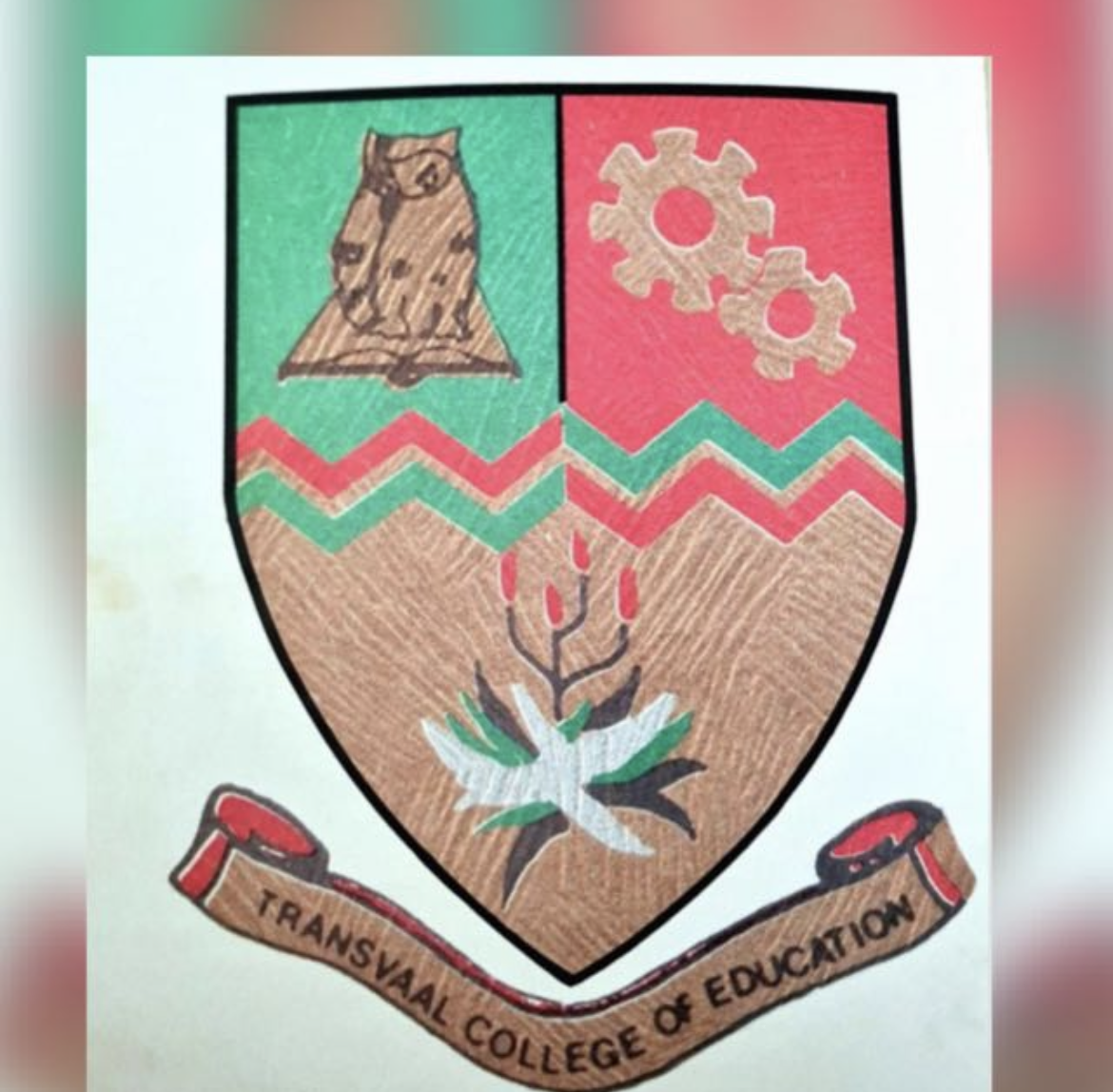
TCE alumni should return to Soshanguve not only to remember what was, but to organise for the future of teacher education.
From Memory to Purpose
On 15 August 2026, alumni of the Transvaal College of Education will return to the former Soshanguve campus. The gathering has been billed as the “mother of all reunions”. It should be more than that. It should become a cradle of change: a moment when memory is converted into purpose, and alumni ask what service we still owe the country that our college prepared us to serve.
For many of us, walking those grounds will reopen an intimate archive. TCE was where youthful innocence gave way to responsibility, political ignorance to awareness and spiritual uncertainty to conviction. It was not simply a place where we acquired qualifications. It was where identities were tested, friendships forged, and destinies redirected.
There will, of course, be the familiar reunion audit: who is where, who has retired, who has passed on, how many grandchildren have arrived and what became of classmates last seen in lecture halls or on sports fields. Yet the truest monuments to TCE are not buildings or photographs. They are the learners whose lives were changed by teachers formed through our collective labour of love.
What Was Lost—and What Must Be Recovered
But nostalgia cannot be the only item on the programme. The reunion must also confront a difficult national question: what was lost when South Africa rationalised and incorporated its colleges of education into the higher-education system? The policy was not the act of one person alone; it emerged through provincial restructuring, national policy and Cabinet decisions spanning the late 1990s. That history deserves honest examination rather than easy blame.
Those of us who studied at TCE—and at comparable colleges—understand why this question matters. The old college model was not flawless: it carried the inequalities and limitations of its time. Yet it also offered an immersive preparation for the realities of teaching. TCE was concerned with both the craft of the classroom and the life of the child. It treated art, sport, discipline, leadership and community engagement as parts of education rather than extracurricular decoration.
We influenced one another across backgrounds and generations. Even where we differed with the politics or temperament of institutional leaders, the college cultivated habits of rigour, punctuality, service and professional responsibility. The varied careers of its alumni testify to an institution that prepared people not only to teach, but also to lead.
The national debate should therefore move beyond the simplistic choice between reopening yesterday’s colleges and defending today’s arrangements. The real task is to recover what worked—practice-intensive training, close mentorship, a strong professional culture and sustained contact with schools—and build it into a modern, equitable system of teacher education.
Teachers at the Centre of the Constitutional Promise
That task begins by restoring the teacher to the centre of the education project. Teachers are not merely a recurrent cost on a departmental budget. They are part of the country’s social infrastructure: the human foundation upon which literacy, numeracy, citizenship, economic participation and national confidence are built.
Section 29 of the Constitution guarantees everyone the right to a basic education. That promise cannot be fulfilled by policy declarations alone. It is realised daily in classrooms by teachers who possess subject knowledge, pedagogical skill, ethical grounding and the resilience to work in unequal conditions.
Encouragingly, the South African Democratic Teachers’ Union—whose leadership includes TCE alumni—is moving towards placing Section 29 concerns more firmly within its understanding of teachers’ conditions of service. TCE alumni also occupy leadership positions in other teacher unions. That reach gives us an unusual opportunity to make the Section 29 agenda non-partisan: not the property of one union, federation or political tendency, but a common demand arising from the Constitution’s liberation promise. It broadens the union agenda beyond what may be called the “wallet-changing” issues of salaries and benefits to the social and institutional conditions that determine whether teachers can do their work: reducing unsustainable learner-teacher ratios, shaping curriculum change, asserting the developmental role of basic education and securing adequate school infrastructure. This is not a departure from bread-and-butter unionism; it is its necessary expansion. Overcrowded classrooms, unstable curricula and unsafe or poorly resourced schools are conditions of work—and conditions of learning.
Turning Alumni Influence into Collective Action
This is where TCE alumni must recognise our collective leverage. Among us are school leaders, academics, public servants, unionists, professionals, community builders and people with influence in national and international institutions. Those serving in SADTU and other teacher unions can build a common platform that translates this broader conception of working conditions into policy, collective bargaining and public mobilisation. Political parties cannot be expected to lead on this terrain; they should be led by educators, unions, communities and alumni who understand the classroom and can define the constitutional standard they must meet. The reunion should reconnect these nodes of experience around a practical agenda: mentor young teachers, support struggling schools, document the TCE model, establish scholarships, advocate for stronger school-based teacher preparation and champion the classroom conditions required to make Section 29 real.
The test of this reunion will not be how warmly we remember TCE, but how courageously we extend its legacy. Every alumnus should leave Soshanguve committed to one practical contribution: mentor a young teacher, adopt or support a struggling school, help establish an alumni scholarship fund, contribute professional expertise, document the TCE story or join advocacy for lower learner-teacher ratios, stable curricula and adequate infrastructure. We should establish a representative alumni structure, publish a programme of action with clear responsibilities and timelines, and report publicly on progress at our next gathering. Let us register our skills, organise by province and profession, and turn our networks into a national resource for teachers and learners. The “mother of all reunions” must mother more than nostalgia. It must give birth to sustained alumni action—and to the next generation of great South African teachers.





Powerful article. Exhilarating commentary. Thank you Doctor Mathebula. I am proud to be TCEan. I am heartily confident TCE produced the best educator citizens in South Africa. TCE….game changer of our generation