By Vusi Mona
1. Introduction
The call to regulate religious institutions (not just churches) has become an emotive issue. At worst, it has been personalised and made a Thoko Mkhwanazi Xaluva issue.
The latter chairs South Africa’s Commission for the Promotion and Protection of Cultural, Religious and Linguistic Communities (CRL Rights Commission) and has been vocal about the need for regulation and ethical codes of conduct within religious institutions.
Whether this regulation must be internal self-regulation rather than state-led remains a moot point. Mkhwanazi-Xaluva has locked horns with religious organisations over her firm views about the need for self-regulation and mandatory compliance. Christian organisations in particular have singled her out as a target of their pushback campaign. I do think this is unfortunate because in all the articles I have read about her on this matter, she comes across as wanting the religious community to govern its own ethical conduct rather than letting the government do it.
Personalising a broad, systemic issue and framing it around an individual is helpful. The religious sector faces structural and concerning challenges. What should government do about these? Leave them unregulated?
We stand on shaky ground when we, mistakenly, view attempts to address objective and structural weaknesses within the religious sector as attacks on freedom of religion.
2. Why Regulations are Needed in the Religious Sector
Some religious leaders exploit their power and positions of authority to commit physical, emotional, or sexual abuse, or force congregants to perform dangerous acts. The story is well recorded of how one SA church leader instructed his congregation to eat grass to get closer to God. Many members subsequently fell ill and vomited. In another incident, a pastor instructed his congregants to eat live snakes and raw rats. He told his followers the animals had been miraculously turned into chocolate. Total madness!
Certain religious groups evade taxes, move large amounts of cash across borders illegally, or use public donations to build private wealth without declaring such to tax authorities.
Many churches have mushroomed, with most operating without clear rules, financial transparency, or internal disciplinary boards to handle misconduct. These are not matters to be taken lightly.
A call for accountability on these issues cannot be seen as government interference. Any pushback on accountability regarding the above issues, among others, is unacceptable. I personally think such an attitude is at cross purposes with the Christian ethos. Laws cannot be divorced from Christianity.
Below are four areas on which I think government must regulate religious organisations. These cannot be left to voluntary compliance or peer review bodies. Government must govern. Areas outside these can be left to self-regulation.
3. Areas that Need Government Regulation
3.1 Legal Registration
In this country, every other organisation is expected to be registered and accounted for. Religious organisations cannot be exempt from this requirement. Religious groups/organisations must obtain official legal personality and registration before starting operations. Existing ones that are not registered must be given a window period to comply. Unregistered ones will ultimately be prohibited.
Registration separates the church’s assets and liabilities from the personal property of its founders or leaders, protecting individuals from personal debt liability. Conflating a church’s income with the personal financial affairs of the founder(s) is bad governance. It may look attractive, but the tax authorities will eventually identify the beneficiaries.
3.2 Preacher Qualifications
Pastors and leaders with supervisory roles must be required to hold a minimum qualification. If you deal with people or lead an organisation, claiming to be “called” won’t be sufficient. Too many people have been abused and their rights violated by leaders who hold supervisory roles in religious organisations yet have no basic understanding of human relations and/or human rights.
Beyond these ancillary skills, a minimum of doctrinal or theological training should be required for one to practise as a religious leader. Mainline and established denominations frequently require at least a Bachelor of Theology or a 3-year Diploma in Theology for ordination or pastoral placement.
Independent or non-denominational churches often require no formal academic credentials, relying instead on local church endorsement, claims of being called or a personal profession of faith. And there lies the problem. Dubious preachers with no basic doctrinal understanding of their faith have been unleashed on unsuspecting congregants.
What most nondenominational churches have been doing is unbiblical, as the very Bible encourages ministers to study. Writing to young Timothy in II Timothy 2:15, Paul says: “Study to show yourself approved unto God, a workman that need not to be ashamed, rightly dividing the word of truth.”
According to the Bible, there is an expectation to put real effort into learning, to be tested, proven genuine, and to show knowledge and understanding of the text.
3.3 Building and Infrastructure Standards
Places of worship must meet strict health, safety, and structural codes. This includes proper sanitation, waste management systems, lightning protectors, adequate parking, and soundproofing to limit noise pollution.
The issue of structural integrity of places of worship cannot be overemphasised. A few years ago (2014 to be exact), the deadliest church building collapse occurred in Nigeria when a multi-story church guesthouse in Lagos collapsed, killing 116 people, including 85 South Africans. Investigations pointed to structural failure caused by illegal additions of extra floors without proper reinforcement. And here I argue the families who lost their loved ones still have a claim against that church, if Nigeria’s jurisprudence works properly.
In South Africa recently, an 18-metre retaining wall under construction in Inanda, KwaZulu-Natal, collapsed, injuring 12 people during a church gathering. It could have been worse. The injured also have a claim.
With churches popping up everywhere in South Africa, there is a need to set and/or enforce church and temple building standards. Places of worship must comply with local municipal zoning laws, structural safety regulations, and spatial design guidelines. Not because religious organisations are being targeted but because of public interest.
Also, in some localities, and because it is easy to start a church in SA, we have seen places of worship established in areas not zoned for religious assembly or public gathering.
Government is responsible for regulating land use, neighbourhood impact, and building permits. The religious sector is not exempt from these requirements. Ultimately, structural design/integrity, public safety, and fire protection must take precedence over any religious consideration.
3.4 Financial and Administrative Accountability
Religious organisations must be required to submit annual financial statements and disclose their source of income. Donations from outside the country and/or beyond a certain threshold must be channelled through registered accounts.
Religious organisations have become highly vulnerable targets for money laundering – often referred to as “ecclesiastical crime” – because they frequently handle large volumes of untraceable cash. Combined with the high levels of social trust they enjoy, this creates a platform for laundering money.
Because churches and temples routinely process physical cash from tithes, offerings, and donations, illicit cash can be blended with legitimate income. There is also the possibility of funding organisations that threaten national security, fronting it as donations to religious organisations.
4. Conclusion
I am all for freedom of religion, but if it means absolute immunity from basic standards of safety, transparency, and professional accountability, I part ways with its advocates; worse still, when it reduces religion to criminality.


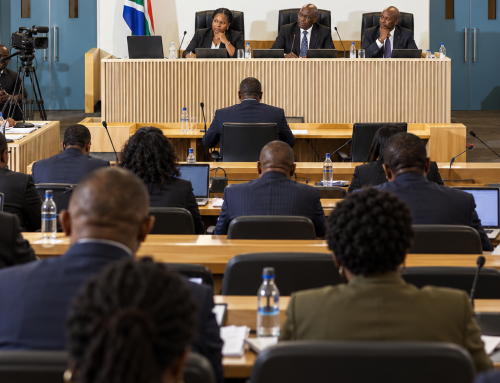


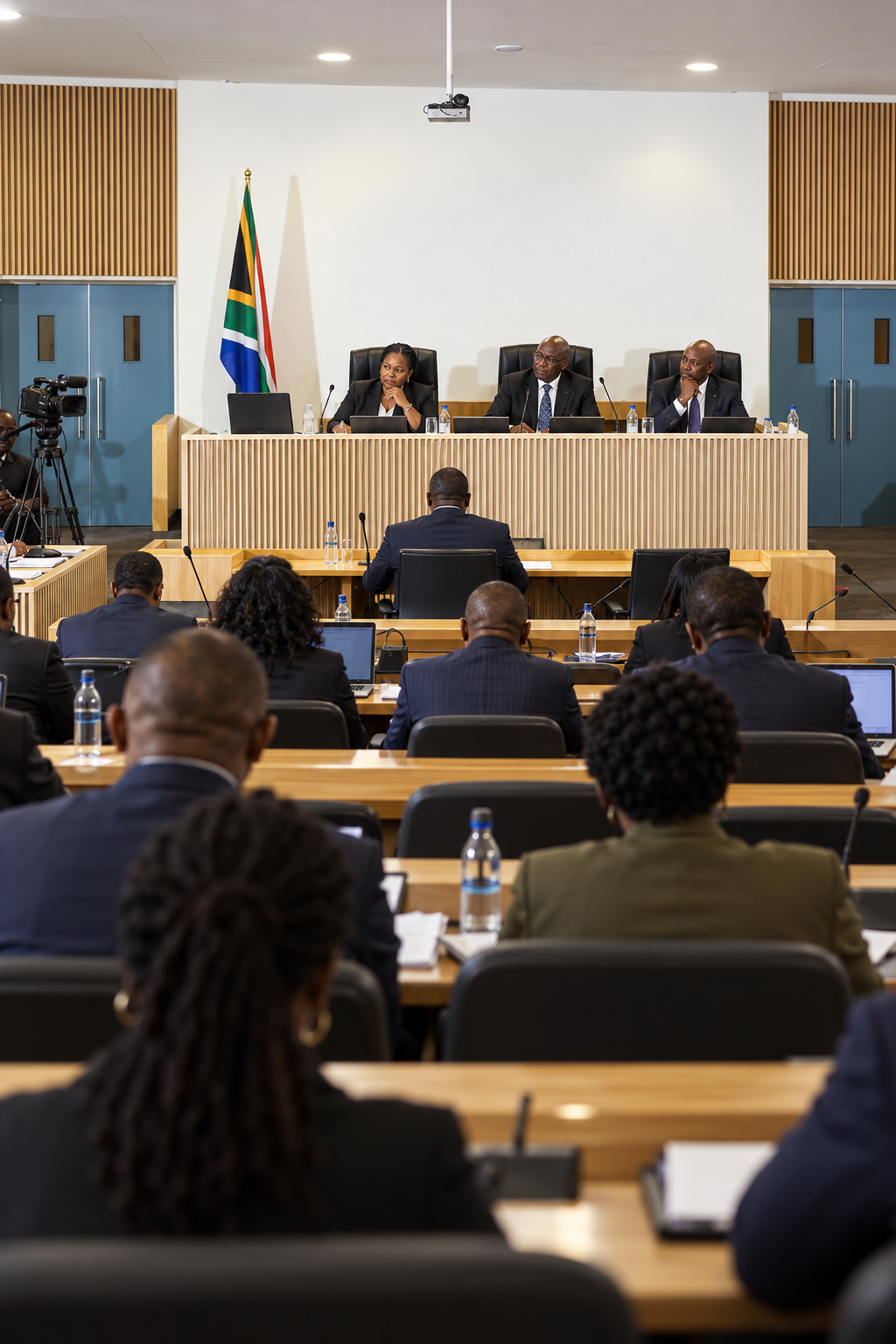
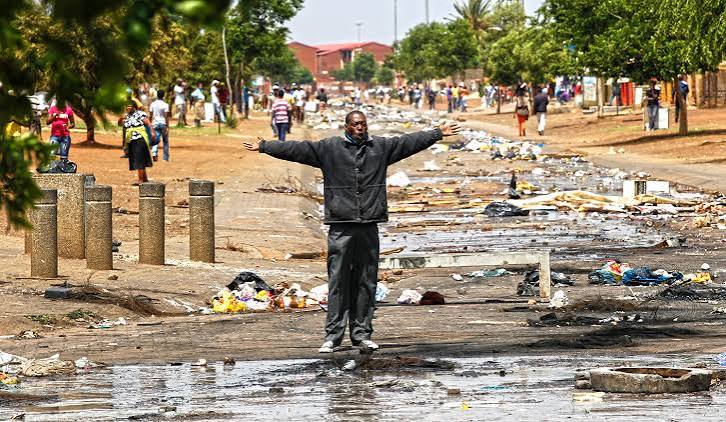
A call for accountability since many churches have mushroomed, with most operating without clear rules, financial transparency, or internal disciplinary boards to handle misconduct. These are not matters to be taken lightly.